
May Flowers, Sunshine and Moods
Happiness Feeds our Body and Mind
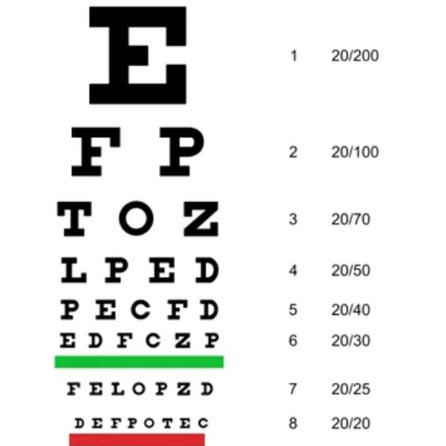
Finally, spring has sprung in the northern hemisphere. Seeing fresh greenery and flowers, feeling the warmth of the daily sun, and even the expected May showers make us happier. It is no surprise, that May was chosen as Mental Health awareness and Healthy Vision month in the United States. Being outside, getting more sunshine (vitamin D), doing more activities and exercising combine to boost dopamine production in the brain.
Dopamine is often called a “happiness hormone” even though it is a neurotransmitter. It allows us to feel pleasure, satisfaction, and motivation. Just as children feel happier during play, adults can experience similar effect when playing sports and doing fitness exercises. According to researchers Yarnal and Qian, play is just as important for adults as it is for children. It is a way to maintain friendships, improve psychological function, and provide healthy aging. Yarnal and Qian wrote: “Playful older adults are happy, optimistic, cheerful, amusing, positive, enthusiastic, and relaxed even in everyday exchanges.” Ringo Starr, the former Beatle, is 83 but looks much younger. He is attributes his youthful looks to “doing what I love to do” and to “doing stuff that I feel is good for me” – these include a plant based eating (he cites blueberries and broccoli as among the foods that make him feel best), regular exercise, no alcohol, plenty of sleep and, of course, making music.
Playing and being outdoors and sunlight is essential for eye health as well as overall health. The eye is an organ of light which accepts, transforms it through the central nervous system into the colorful image we see. “The fear that sunlight will hurt the eyes actually produces sensitivity to light”, wrote ophthalmologist William H. Bates M.D. over 100 years ago. Sunglasses cause strain, tension, squinting and worsens visual acuity by making the intraocular sphincter muscle (which changes the focus in the process of seeing and constricts the pupil) rigid maintaining it dilated, causing light sensitivity to the degree that person couldn’t go outside without sunglasses even on the cloudy day.
Sunlight is essential for our health. Our body produces Vitamin D after the sun hits our skin. So, Vitamin D is a hormone, not a Vitamin. Many data show the tendency of vitamin D deficiencies and serious health problems caused by insufficient sun exposure. There are multiple health benefits from sun/UV exposure against various types of cancer, cardiovascular disease, Alzheimer disease/dementia, myopia, cataract, glaucoma, macular degeneration, diabetes, multiple sclerosis.
Our eyes have a built-in protective structure, dark-colored melanin pigment in the choroid layer which absorbs light and limits reflections within the eye that could degrade vision. Sunlight is very important for our eyes. Studies show that children who spend more time outdoors are less likely to become myopic, no matter how much near work they do, or whether their parents are myopic. There are also higher levels of myopia in developed countries than in underdeveloped countries where the population spends more time outside and less time indoors studying.
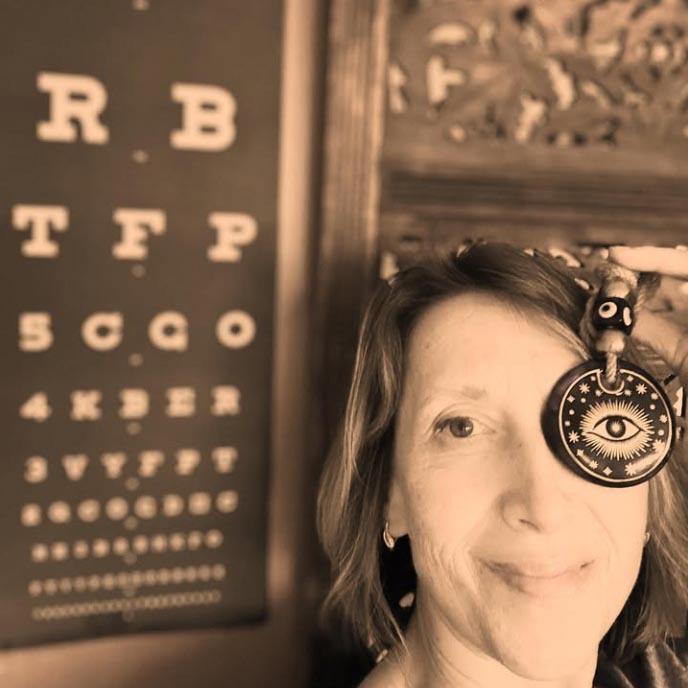
Negative emotions, stress causes eye strain, creates blurry and decreased vision. Relaxation is one of the main principles of natural vision improvement method discovered by ophthalmologist Dr. William Bates, who helped thousands of patients to improve their eyesight without glasses. And today there are many opticians, ophthalmologists, and vision educators all over the world who are helping people to see clearly without glasses using this method of relaxation practices. As you may already know I am also happy to help my clients using my former medical training and personal experience to educate them on the Bates method.
Happiness and intestinal flora. Research shows that our mood is connected to the health of our digestive system. Many studies show the influence of gut microbiome on mood. Scientists at University College in London looked at dietary patterns and the incidence of depression in 3,486 civil service workers. Those who had the highest intake of whole foods, like fruits and vegetables, were less likely to report depression. But those who were eating processed meat, chocolate, sweet foods, fried foods, refined cereals, and high-fat dairy, were more likely to be depressed. So, the diet clearly caused depression. A different study of 14,000 participants aged 16 or older showed that over one third of those who ate five or more servings of fruit and vegetables daily scored as having high mental well-being, while only 6.8% of those who ate less than one portion daily were happy.
Prescription for health and happiness. So, in May, lets enjoy being outside when diet, exercise and sunlight can combine to prevent and even reverse disease and improve many conditions like anxiety, depression, age related macular degeneration, cataracts, glaucoma, near and farsightedness, astigmatism, strabismus. Happy May!