Heart, Love, Life
February, the final full month of winter, brings the hope of spring and is recognized as Heart Health Month in the United States. This observance encourages everyone to focus on cardiovascular health and recognize early signs of heart disease. According to the World Health Organization, Cardiovascular diseases (CVDs) are the world’s number 1 cause of death, taking an estimated 17.9 million lives each year. Despite warning symptoms like high blood pressure, high cholesterol, and excess weight, many people with heart conditions remain unaware until a doctor’s visit.
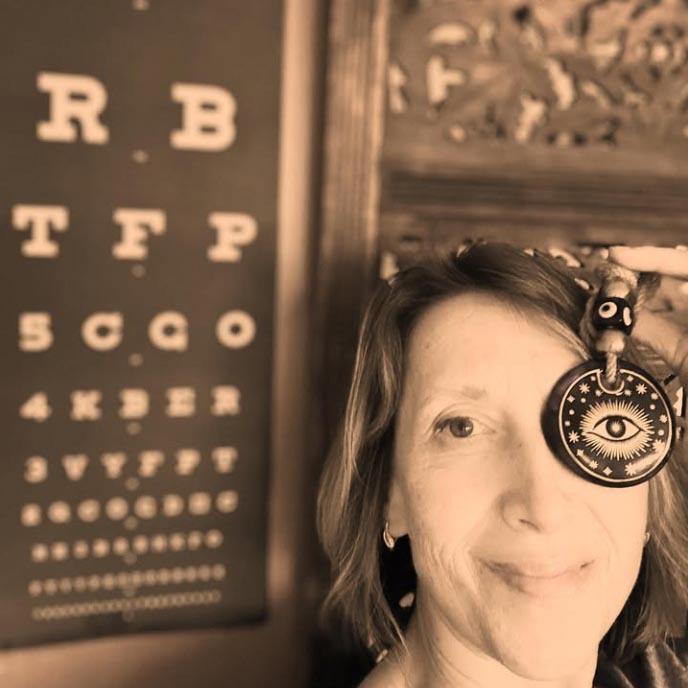
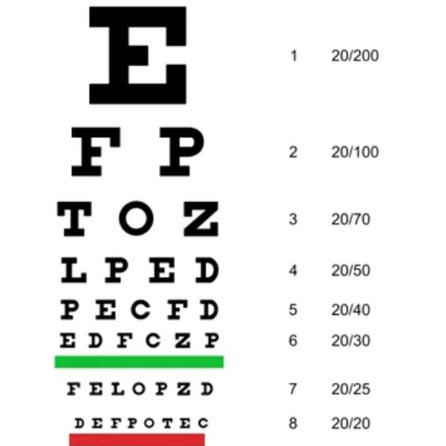
Eye health is closely linked to heart health. Ophthalmoscopy, a common diagnostic tool, allows doctors to inspect the eye’s blood vessels for signs of circulatory problems, including hypertension, a major indicator of heart disease. The eye’s vascular system is directly connected to the heart and brain, meaning issues in the circulatory system can often be detected during an eye examination. Atherosclerotic plagues can develop anywhere blood flows, including the heart, brain, eyes, internal organs and limbs. Smaller blood vessels, such as those in the eye or penile artery, are especially prone to blockages, which may be early warning signs of broader cardiovascular issues. Clogged vessels can cause heart attacks, strokes, vision loss, and other complications-even mild symptoms may be related to CVD.
The good news is that CVD can often be addressed, reversed, or prevented starting with diet. Many studies, including those referenced in Dr. C. Esselstyn’s “Prevent and Reverse Heart Disease,” show that CVD can be prevented at home by making changes in your kitchen. Even those with a family history of CVD can reduce their risk by focusing on diet and lifestyle, which account for about 97% of cases, while genetics contribute only 3%.
Exercise, Plant-Based Diets, and Top Athletes: Combining a heart-healthy diet with regular exercise is key. Relying on exercise alone to counteract an unhealthy diet is not effective. Diet plays a significant role in longevity and performance even for athletes. For example, Tom Brady played professional football until age 45, partly due to his predominantly plant-based diet. Other elite athletes, like Carl Lewis, Venus Williams, and Lewis Hamilton, also follow mostly plant-based or vegan diets. James Cameron’s documentary “Game Changers” explores this topic further.
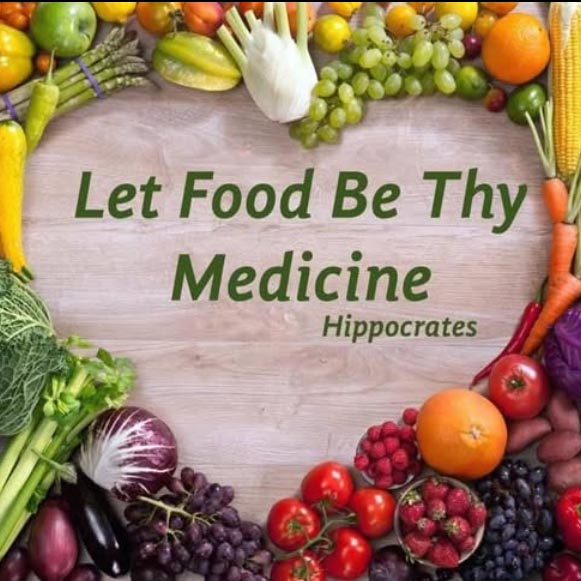
Which plant-based foods are best? Plant-based eating is especially beneficial for heart health. Red fruit and vegetables like cherries, beets, beans, and tomatoes stand out for CVD prevention. Beets are rich in nitrates, which the body converts into nitric oxide to dilate blood vessels, improve circulation, and lower blood pressure. Studies, such as the EPIC-Oxford study, show that vegans typically have lower blood pressure than those who eat meat. Beans, lentils, peas, and other legumes are high in protein and fiber, reducing the risk of CVD, coronary heart disease, and hypertension. Tomatoes contain lycopene, which can lower LDL (“bad”) cholesterol and blood pressure, and other nutrients like vitamins B and E and antioxidants called flavonoids that further support heart health. Leafy greens such as kale and spinach are also high in nitrates, lutein, and zeaxanthin, which are important for eye health, protecting against cataracts, macular degeneration, and blue light damage. Foods that benefit the heart also support the brain, eyes, lungs, and overall body function.
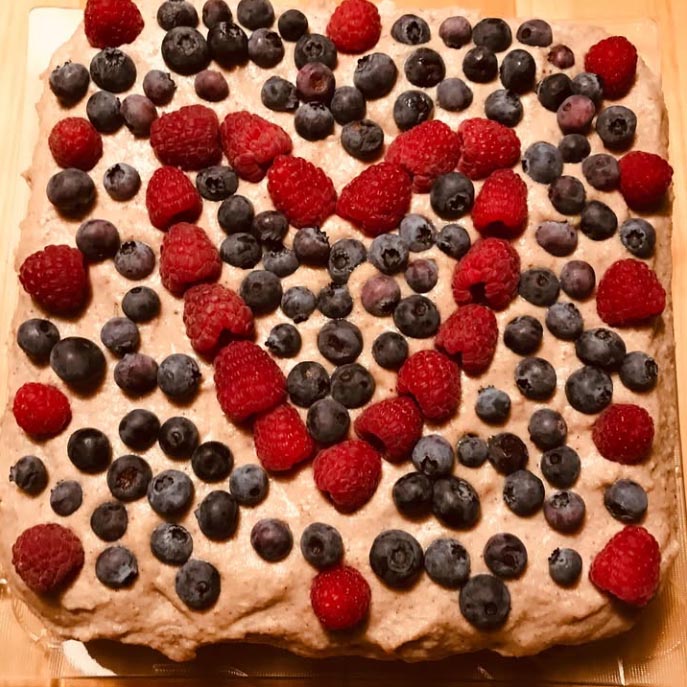
Heartfelt Guidance for February, Heart Health Month: While there may not be a single “magic food” to guarantee protection from heart disease, taking gentle, caring steps, every day truly matters. Nourish yourself with a wholesome, mostly plant-based diet, cherish movement through regular physical activity, and remember the importance of restful sleep and managing stress. Surround yourself with supportive relationships and loving connections; they’re just as vital for your heart and eyes as any food or exercise. Let this Heart Health Month be a loving reminder to care for yourself and those around you. Explore this month’s delicious heart healthy recipes and join our quarterly vision training courses to naturally nurture your eyesight. Wishing you a month filled with health, hope, and kindness.