August, Eyesight, School Ahead
As the final stretch of summer arrives, August brings a bittersweet mix of emotions. Nature is at its peak maturity, and the warmth we’ve grown fond of begins its slow farewell. For many, this month marks a shift especially for students gearing up for a new school year. That’s why it’s fitting that August is observed as Children’s Eye Health and Safety Awareness Month.
With the start of school, kids spend long hours reading, writing, and studying activities that can strain developing eyes. Interestingly, many vision problems emerge during childhood. Observational research consistently shows that kids who spend more time outdoors are less likely to develop myopia, regardless of their genetics or how much close-up work they do. In fact, developed nations where children spend more time indoors have higher rates of myopia compared to less developed regions. So, what’s the difference? Sunlight.
We often hear warnings about shielding our eyes from the sun, and August also happens to be Summer Sun Safety Month. The common advice: wear sunglasses. But surprising studies suggest that this widespread belief might need reconsideration. In Lambarene, where Dr. Albert Schweitzer founded a hospital, native West Africans didn’t begin experiencing cancer until sunglasses were introduced. Researcher John N. Ott, who explored the effects of sunlight for years, observed that high-altitude populations exposed to stronger UV rays often lived long lives with excellent vision and minimal cancer rates.
Sunlight is vital for health. Our skin produces vitamin D-a hormone, not a vitamin when exposed to UV light. Deficiencies in vitamin D are linked to various serious health conditions. Ultraviolet rays from the sun have shown benefits in reducing risks associated with cancer, heart disease, Alzheimer’s, dementia, diabetes, and eye conditions like macular degeneration and myopia.
Thankfully, our eyes are naturally equipped with protection. Melanin, a dark pigment in the choroid layer of the eye, absorbs excess light and prevents harmful reflections that could affect vision quality. This layer not only shields but also provides blood supply to critical parts of the eye. Similarly, melanin in the skin helps absorb UV rays, reducing their potential damage. The key is balance safe, daily sun exposure (combined with hats and appropriate clothing) supports both vision and overall health.
August is also National Eye Exam Month in the U.S.—an ideal time to check your vision before the busy school year begins. Regular exams help you monitor your eye health and adjust habits as needed.
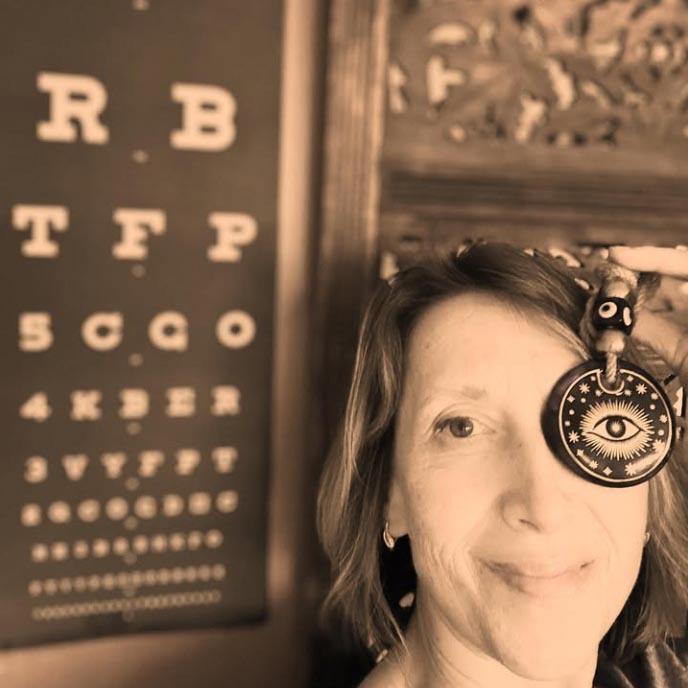
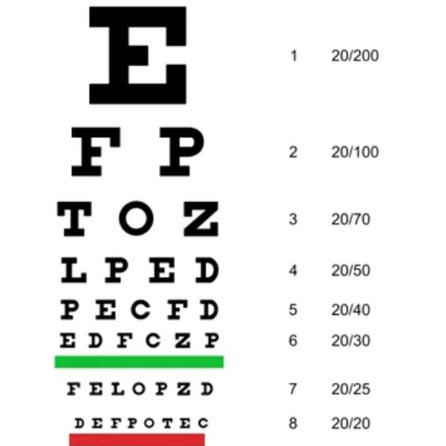
A century ago, Dr. William Bates introduced a visionary approach for children to improve their eyesight naturally. His program included placing eye charts in classrooms, encouraging students to engage with them frequently. Bates believed that stress, eye strain, and limited exposure to natural light contributed to vision deterioration. His method has stood the test of time and is still used globally by those aiming to reduce reliance on glasses.
If this sparks your interest, there’s a wealth of information available from books and podcasts to live classes (like mine!) and discussions with other vision teachers. My colleagues are even bringing Bates’ century-old magazine Better Eyesight to life through podcast episodes on Patreon, making these timeless teachings accessible to all.
So, as August unfolds, let it be a celebration of sunlight, laughter, and connection. Take advantage of the sunshine, spend time with loved ones, and care for your eyes with intention and joy.