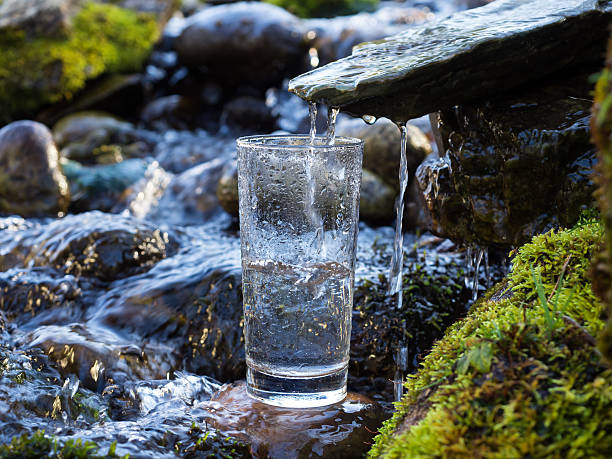
Stay cool in the heat of the summer!
July is the most enjoyable, busiest travelling and usually the hottest summer month. In the summer heat, we get dehydrated easily especially during playing sports outside, long trips by car, plane or train. So, it is essential to drink more water during this season. There are several rules that could be used. One common recommendation is to make sure we drink eight 8-ounce glasses of water (about 2 liters) a day. Another one determines the amount of daily water intake by several ounces of water that is equal to half of your weight in pounds. As an example, if you weigh 160 lbs., it is recommended that you drink 80 ounces of water per day. Almost 70% of our body is made up of water. And it serves many essential functions like regulating body temperature by sweating and respiration, nutrient transport in the bloodstream to vital organs, flushing waste through urination. Dehydration can also drain us of energy and make us feel sleepy, sluggish, and headachy. One of the most important organs to keep hydrated is the brain, 73% of which is composed of water. When dehydrated, we often can’t think clearly and perform important mental tasks.
Eye Hydration and Dry Eye Syndrome (DES): Due to dehydration and without adequate moisture, our eyes become dry and uncomfortable. We may feel burning, stinging, scratchiness in our eyes. Our eyes can appear red and have a tired look. Sometimes dry eyes can cause our eyes to tear more. Our body senses that eyes are not moist enough and tries to compensate by producing an abundance of tears. So, we may notice excess tearing while watching television, using the computer, or reading.
DES happens because of dehydration and insufficient lubrication due to stare, blinking less, especially while using computers and other digital devices. A common recommendation is lubricating eye drops, which help temporarily but do not address the cause. But there are easy nonprescription methods to relief dry eyes, like blinking more. Try thirty 30 fast blinking several times a day or whenever you feel dryness, it brings fast and natural lubrication within minutes. Lacrimal glands produce tears and meibomian glands produce oily parts of the tears, so that the tears don’t evaporate too quickly. Tears constantly bathe our eyes in moisture, wash away debris, and prevent bacteria from causing infections. In severe cases, dry eyes may cause ulcers on our cornea, the clear layer of the eye that covers the iris.
Cataracts and dehydration: Studies show that dehydration is one of the reasons of developing cataracts, the condition when lens becomes cloudy, dense, loses elasticity, ability to accommodate and vision deteriorates. Age related cataract develops in 50s and 60s, when people tend to drink less water generally. The first signal becomes more unreliable with age.
Eye circulation and health: During dehydration our blood becomes thicker, and it slows down circulation to all organs, including our eyes. In severe cases of heat stroke when the body loses water, blurred vision is among other warning symptoms like dizziness, light-headedness, weakness, fatigue, headache, muscle aches.
Staying Alert to your water needs: One problem is that it is very difficult to distinguish the feelings of thirst and hunger. The best way to meet the daily requirement for water intake is to drink 2 liters/64 ounces of water per day. This can be helped with habits like keeping water bottles nearby throughout the day and refilling them as you drink. While some of the water we need can come from unsweetened nonalcoholic liquids (alcoholic and caffeinated drinks dehydrate), we can also get some water intake from the food we eat. About 2 cups of water come from plant foods. Eating water-rich foods like fresh fruit and vegetables can also be essential to stay healthy and maintain the function of our body, heart, brain, eyes, and muscles.
Natural Vision Improvement: I continue to lead quarterly vision improvement classes using Bates method. I started using it and stopped wearing my distance and reading glasses. I am happy that medical training in Ophthalmology and my experience in health counseling could be combined by helping people naturally improve their vision. Please attend our summer class that starts July 7. If you have questions about the course, you can join regular Q&A on the first Thursday of each month. July 3 is the next upcoming one.
Sign up by emailing me at milasnutrition@gmail.com